Explore our specialized renewable infrastructure portfolios. Select a category below to view our operations and solutions.
To be a trusted long-term owner of renewable energy assets, supporting India’s clean energy transition and creating stable value for all stakeholders.
To enable affordable access to renewable energy for last-mile consumers across India.
Identify and secure high-performance operational solar assets.
Build scalable and diversified renewable portfolios at regional levels.
Strategic, long-term capital deployment in high-yield energy assets.
Commitment to transparency, integrity, and strict regulatory compliance.
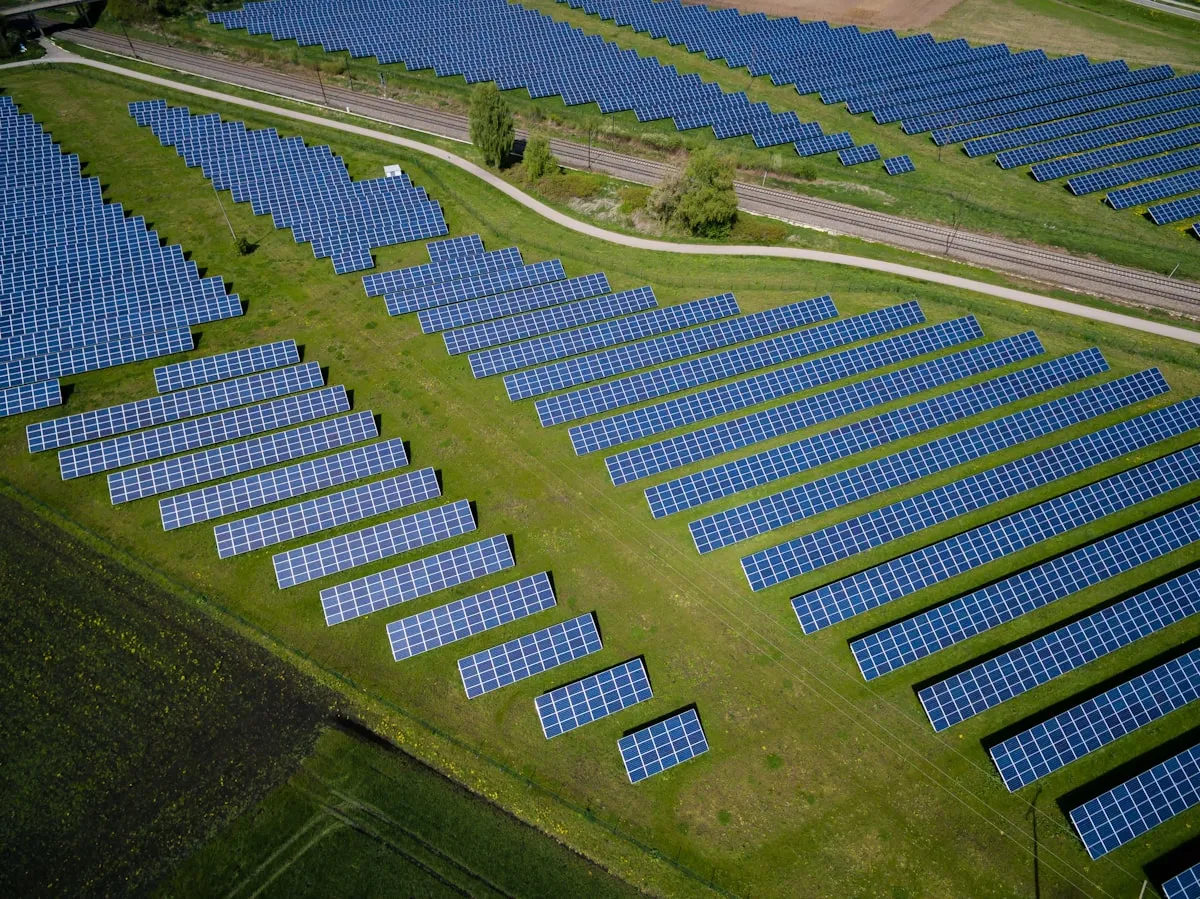
KDIA structures and operates utility-grade solar assets designed to maximize power generation. Our commitment to Tier-1 components and continuous performance auditing ensures long-term energy stability and commercial viability.
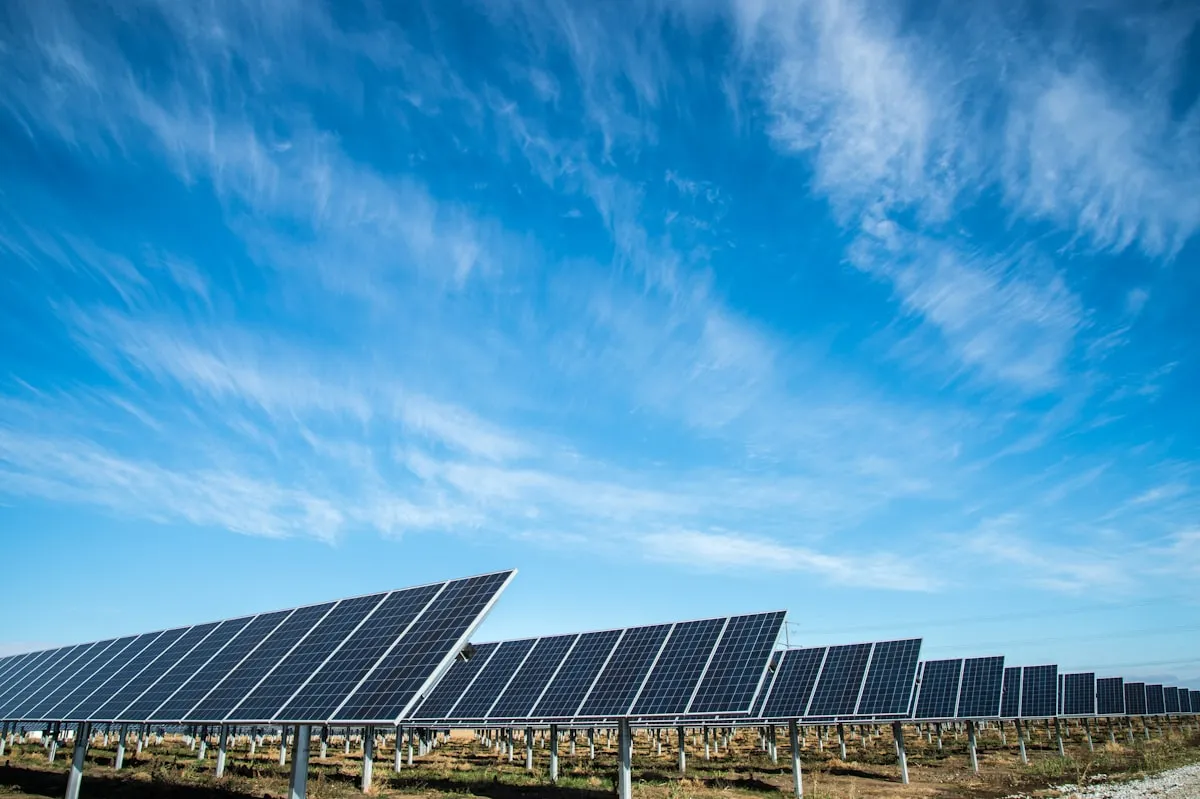
Interactive guide to solar energy distribution systems (VNM, GNM, Captive)
Energy is generated at a centralized solar park and virtually credited to your consumption point, regardless of physical distance.
Location: Remote solar park facility
Best For: Businesses without suitable rooftop space
Energy Flow: Virtual credit adjustment via utility
A shared energy model where multiple connections within the same organization benefit from a single centralized solar installation.
Location: Centralized solar park
Best For: Multi-site organizations or campuses
Energy Flow: Distributed across grouped connections
A dedicated solar power model where the consumer directly owns the solar asset and consumes the majority of the electricity produced.
Ownership: Minimum 26% equity
Consumption: Minimum 51% by owner
A collaborative ownership model where multiple consumers jointly invest in and benefit from a centralized solar power facility.
Understanding the financial intelligence behind the renewable transition.
Savings grow as utility electricity tariffs increase over time, providing a natural hedge against rising costs.
Energy generated by centralized solar assets directly offsets your consumption bills.
Long-term energy asset ownership provides price predictability and stability.
Transitioning real estate assets into energy infrastructure ensures long-term valuation growth.
Watch our clean energy solutions in action and see how KDIA is powering tomorrow.
Our models are designed for multiple consumer categories, ranging from residential complexes to large-scale utility and industrial sectors.
Systems can vary significantly in scale, typically ranging from 1 kW installations up to utility-scale limits depending on the participation model.
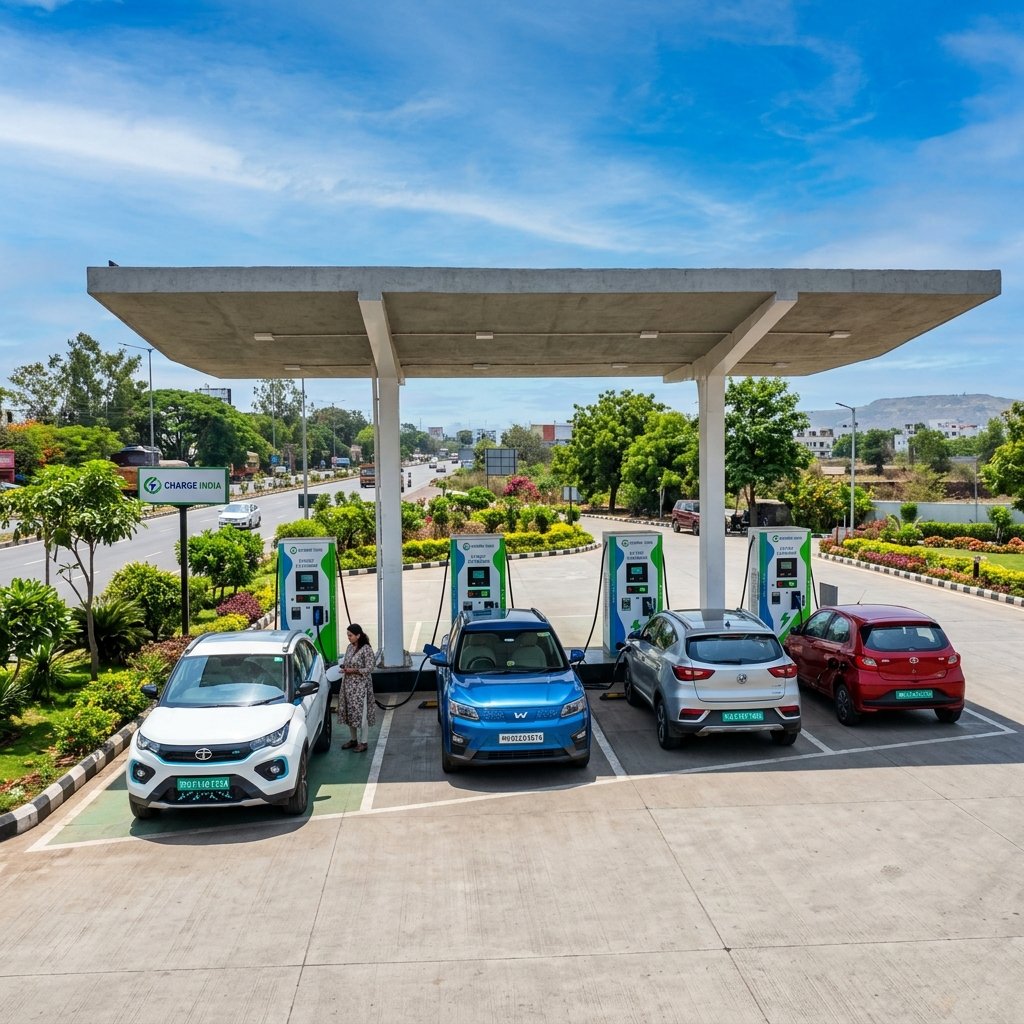
To be a pioneering host of solar-integrated EV charging stations, accelerating India's transition to clean mobility and providing dependable charging access.
To create a seamless, high-power DC fast charging network that powers passenger vehicles, commercial fleets, and public transport alike.
Evaluate property locations for power grid capacity, vehicle access, and commercial viability.
Build scalable and grid-compliant fast charging hubs across key highways and zones.
Directly integrate EV charging stations with solar microgrids for zero-emission energy.
24/7 remote monitoring, maintenance support, and diagnostic checks to guarantee uptime.
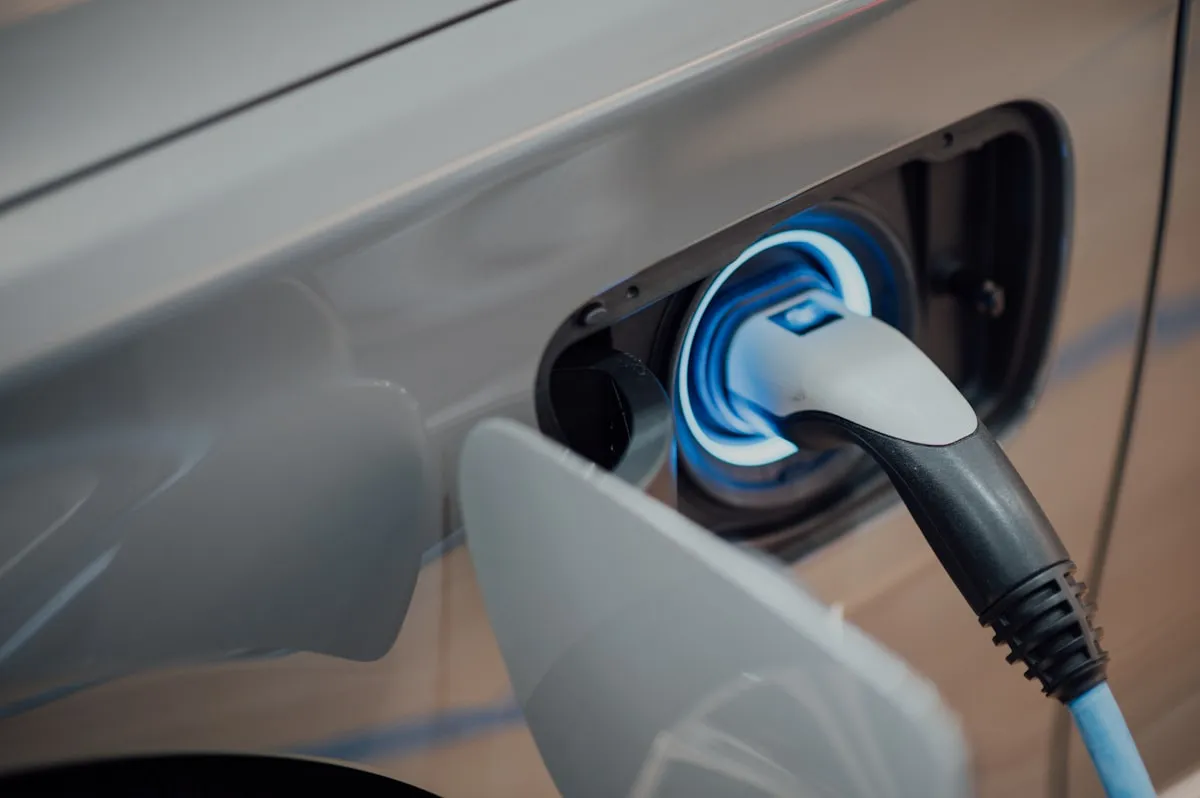
We power the transition to clean mobility. Our solar-integrated EV charging network provides reliable, zero-carbon fast charging systems. Landowners can host charging stations to generate guaranteed long-term rental income.
Interactive guide to EV charging distribution systems (Public, Commercial, Residential, Fleet)
High-capacity DC fast chargers installed along main highways and public transit points for rapid transit charging.
Location: Highway plazas and public transit hubs
Best For: Long-distance commuters and public transit
Capacity: 60 kW to 240 kW DC fast chargers
Smart AC and DC charging hubs deployed at retail malls, corporate offices, and workplace parking lots for employees and visitors.
Location: Business parks, corporate spaces, and retail centers
Best For: Employees, shoppers, and commercial visitors
Integration: Building Management Systems (BMS) load sharing
Home and apartment complex charging points designed for residential complexes, letting residents charge vehicles safely overnight.
Location: Apartment garages and individual homes
Best For: EV owners seeking convenient overnight solutions
High-volume charging hubs designed for logistics operators, delivery fleets, and commercial EV groups requiring high uptime.
Location: Logistics depots and corporate distribution hubs
Best For: E-commerce delivery vehicles, fleet cars, and buses
Leading the shift towards a zero-emission transport network.
Encourage clean transport adoption by powering electric vehicles with renewable solar energy.
Displace fossil fuel consumption and significantly lower carbon emissions in urban areas.
Prepare real estate assets and commercial properties for the inevitable shift to full electrification.
Deliver reliable, automated charging access with 24/7 smart network monitoring and user support.
From site assessment and capacity planning to equipment selection, we handle the end-to-end station deployment process.
Continuous testing, activation, 24/7 smart network monitoring, and technical maintenance ensure maximum operational reliability.
Turning waste into wealth, building energy security, and driving a sustainable future backed by the Government of India.
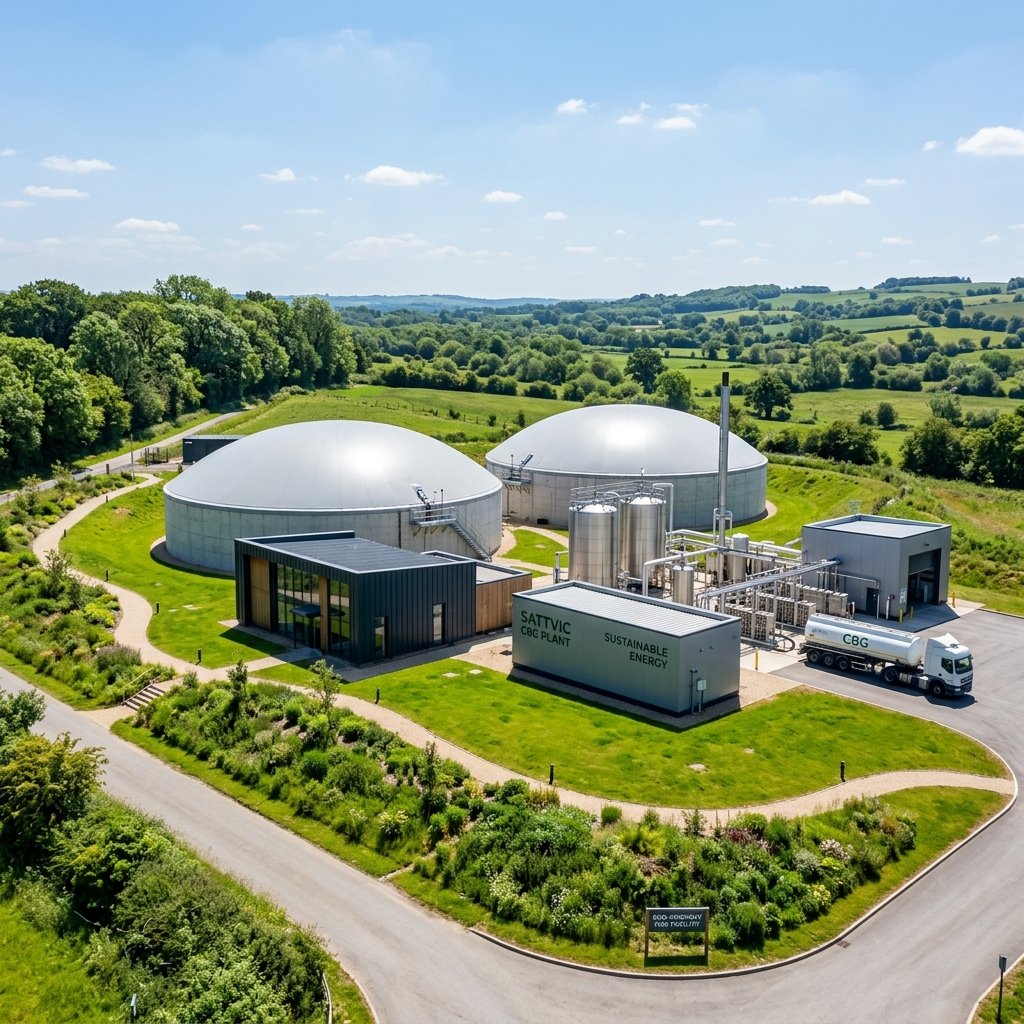
Compressed Biogas (CBG) is a purified, high-energy form of biogas produced through the anaerobic decomposition of organic waste materials like agricultural residue (paddy straw, press mud), municipal solid waste, and cattle dung.
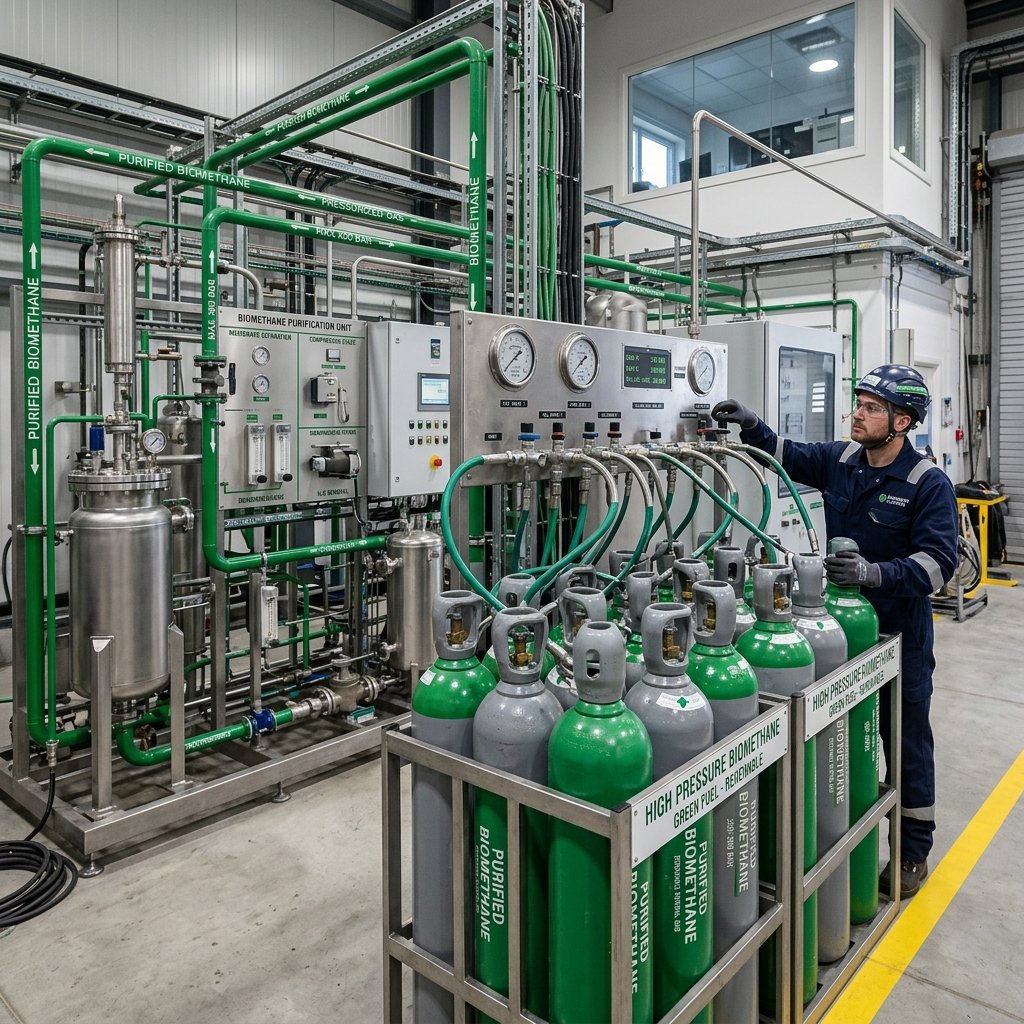
By removing impurities like carbon dioxide and hydrogen sulfide, we extract pure methane (above 90%), making CBG chemically identical to commercially used Compressed Natural Gas (CNG). It is a 100% green, renewable, and eco-friendly automotive and industrial fuel that lowers carbon footprints and empowers rural economies.
India is currently undergoing an unprecedented clean energy transition, with Prime Minister Narendra Modi and the Ministry of Petroleum and Natural Gas placing CBG at the absolute forefront of the national agenda. Driven by the vision of achieving Net-Zero Emissions by 2070 and cutting down heavy reliance on expensive crude oil imports, the central government has transformed the CBG sector into a lucrative, zero-risk avenue for entrepreneurs and investors.
"What was once treated as waste is now powering our progress. We are actively turning farm and organic waste into clean fuel, boosting rural incomes, and dramatically lowering emissions."
Following directives from the National Biofuels Coordination Committee (NBCC), the central government has made it legally mandatory for City Gas Distribution companies to blend CBG into the national CNG (transportation) and PNG (domestic) networks. Starting at 1% for FY 2025-26, the mandate scales up to 3% in FY 2026-27 and hits 5% by 2028-29, creating an astronomical, guaranteed consumer base.
The government isn't just focusing on the gas. Under the GOBARdhan scheme, the government provides Market Development Assistance (MDA) of 1,500 per MT to help CBG plants successfully market and sell Fermented Organic Manure (FOM)—their primary waste-by-product—creating a highly profitable secondary revenue stream.
The Ministry of New and Renewable Energy (MNRE) provides generous capital subsidies. Developers can get up to 4 crore per plant (with a cap of 10 crore per project) in direct capital support, greatly slashing initial setup costs.
In the latest Union Budget, the Central Government completely exempted the central excise duty on the biogas portion of blended CNG. This eliminates structural tax burdens and makes the production economics vastly more profitable for developers.
As the nation charges ahead with PM Modi’s green vision, we stand ready to help bridge the gap between technology, government policy, and seamless execution. Whether you are looking for pure high-grade CBG fuel, eco-friendly organic fertilizers, or end-to-end CBG project setup consulting, our platform is built to align directly with India's clean-energy goals.
Join hands with us to turn organic waste into national wealth.
Interactive guide to CBG utilization systems (Automotive, Industrial, Commercial, Agriculture)
CBG is compressed and purified to serve as a direct, zero-emission substitute for compressed natural gas (CNG) in commercial trucks, public buses, and passenger vehicles.
Use Case: Retail fuel outlets and public transit stations
Best For: Heavy transport, fleet logistics, and city cabs
Pressure: Compressed to 200 bar for vehicle dispensing
High-heat industries can replace LPG or coal with CBG for manufacturing processes, steam generation, and industrial heating, significantly lowering carbon footprints.
Use Case: Boilers, furnaces, and co-generation plants
Best For: Metalworking, chemical, and manufacturing industries
Clean-burning gas supplied directly or via cylinders to hotels, restaurants, and institutional kitchens, offering cost savings and reducing indoor air pollution.
Use Case: Cooking gas networks and cylinder delivery
Best For: Hospitality industry and corporate cafeterias
Decentralized microgrids and farming machinery operated on bio-energy, making rural communities self-reliant and reducing dependence on diesel generator sets.
Use Case: Irrigation pumps and decentralized farm grids
Best For: Farms, cooperative societies, and rural regions
Driving environmental sustainability and economic opportunities.
Diverts agricultural residues and municipal organic waste from landfills, eliminating open-air burning and methane release.
Reduces greenhouse gas emissions by up to 80% compared to fossil fuels, actively combating climate change and air pollution.
Creates recurring revenues for farmers from biomass waste, while offering cheaper, price-stable fuel to industries.
Boosts domestic renewable energy production, reducing reliance on imported crude oil and liquefied natural gas.
Organic feedstock undergoes biochemical decomposition in sealed digestors, followed by advanced scrubbing to remove CO2 and H2S to yield 90%+ methane.
The purified biomethane is compressed to 200-250 bar, bottled in cylinder cascades or piped to retail outlets, with residual slurry processed into organic fertilizer.
Solar & Renewable Expert